
Discovering Dyker Heights: A Neighborhood Steeped in Stories
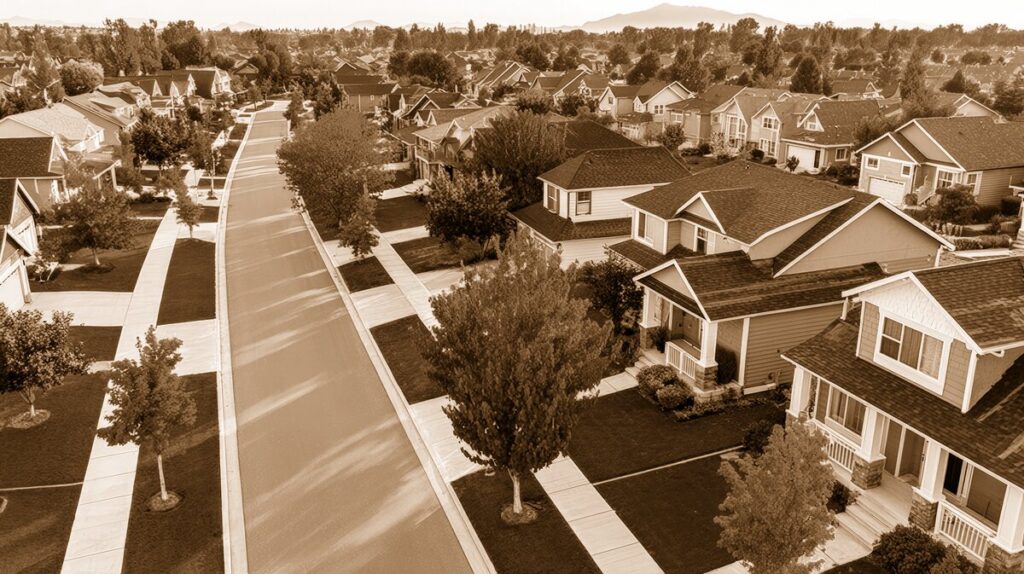
Nestled between Bay Ridge and Bensonhurst, perched on the elevated western edge of Brooklyn, Dyker Heights is a neighborhood that feels as much a time capsule as a living, breathing community. With tree-lined avenues, grand homes, and a tradition of hospitality and festivity, Dyker Heights has quietly cultivated a legacy all its own.
For longtime residents and curious visitors alike, understanding how this peaceful enclave came to be illuminates why so many call it one of Brooklyn’s hidden gems.
Origins and the Naming of Dyker Heights
The roots of Dyker Heights trace back to the 17th century, when Dutch settlers and later, English colonists, began farming vast tracts of land in the area. Much of what is now Dyker Heights was originally comprised of meadows and woodland. The name “Dyker” is thought to come from “dyke,” referencing the network of ditches and barriers—dykes—that once spanned the marshy terrain, channeling water and marking farmland boundaries.
It wasn’t until the late 19th century that the area began its transformation. In the 1890s, a visionary developer named Walter L. Johnson saw the potential in these rolling hills between 7th and 14th Avenues, north of 86th Street. He purchased farms and planned a “suburban-style” development, intending to attract affluent New Yorkers who commuted to Manhattan but craved the tranquility of the countryside.
Historical Milestones: Growth, Change, and Community
- 1895: The Birth of Dyker Heights. Johnson’s development was unveiled, heralded as a healthy, beautiful, and refined alternative to the city’s crowded neighborhoods. Early promotional materials boasted wide streets, modern amenities, and architectural variety—qualities Dyker Heights retains to this day.
- Transition to a Residential Neighborhood. From the 1900s through the 1920s, elegant mansions, particularly along 11th and 12th Avenues, sprang up. Many houses were designed in Colonial Revival and Italianate styles, lending the neighborhood a stately, harmonious look.
- Dyker Beach Park and Golf Course. In 1895, Dyker Beach Park opened on what is now 86th Street and 7th Avenue. The Dyker Beach Golf Course soon followed, becoming one of the city’s oldest public courses and a beloved local green space.
- Religious and Cultural Institutions. As the community grew, so did its institutions. Saint Philip’s Episcopal Church, established in 1900, stands on 11th Avenue and remains a neighborhood cornerstone. PS 176, also known as The Ovington School, opened its doors in 1907 and served as a hub for young families.
- Italian-American Heritage. By the mid-20th century, Dyker Heights became a haven for Italian-American families, many of whom still reside here. Family-run bakeries, delis, and parish churches blossomed along avenues like 13th and 14th, weaving Old World traditions into daily life.
Iconic Landmarks and Notable Streets
The architectural spirit of Dyker Heights can best be admired with a stroll down streets like 11th through 14th Avenues from 80th to 86th Streets, where stately homes sit behind manicured lawns and lush gardens.
- Dyker Beach Golf Course: Stretching from 7th to 14th Avenues and 86th to 92nd Streets, the course is a central green sanctuary. Not only is it a spot for recreation, but its historic clubhouse—a stately 1930s building—hosts community events and weddings.
- Saint Ephrem’s Church: Located at 929 Bay Ridge Parkway, this parish has been a gathering place since its founding in 1921, reflecting the area’s deep faith traditions.
- Dyker Heights Boulevard: Known locally as 13th Avenue, it’s a commercial hub with family-owned shops, cafes, and bakeries. The heart of day-to-day activity, it’s also the site for impromptu gatherings and old friends’ reunions.
- Dyker Heights Christmas Lights: The most famous neighborhood tradition is undoubtedly the Christmas lights display. Each December, homes between 81st and 86th Streets, from 11th to 13th Avenue, are transformed into a sparkling wonderland, drawing visitors from across the globe.
Dyker Heights Through the Decades
- Post-World War II Boom. Returning GIs and their families flocked to Dyker Heights, drawn by a promise of space and community. The face of the neighborhood changed, but the pace of life remained gentle.
- Evolving Demographics. While Italian ancestry still features prominently, the neighborhood today includes Chinese, Russian, Scandinavian, and Middle Eastern families, each adding flavor to Dyker Heights’ story.
- Housing and Preservation. Thanks to vigilant homeowners and block associations, much of the housing stock from the early 20th century remains intact. On any block, you’ll find lovingly restored single-family homes, brick rowhouses, and the occasional grand mansion.
Parks, Playgrounds, and Community Spirit
Beyond stately homes, Dyker Heights is blessed with plentiful green spaces. Dyker Park, stretching from 7th to 14th Avenue along 86th Street, is dotted with baseball diamonds, soccer fields, and playgrounds. The park becomes a vibrant gathering place during warm months, with neighbors picnicking, families flying kites, and locals enjoying a round of bocce—a cherished Italian pastime.
What Makes Dyker Heights Special Today
There’s a timeless quality to life in Dyker Heights. Residents will tell you about block parties in the summer, neighbors looking out for neighbors, and the sense that history is woven into the very fabric of the streets. The enduring appeal lies in several qualities:
- Community Cohesion: Decade after decade, families remain, new generations return, and a strong sense of connection is maintained.
- Architectural Beauty: Imposing yet welcoming homes, tree-lined boulevards, and an unhurried pace set Dyker Heights apart.
- Tradition Meets Change: The Christmas displays are a world-famous wonder, but everyday rituals—like Sunday mass or trips to Mona Lisa Bakery—are just as beloved.
- A Gateway to Brooklyn: With easy access to Shore Parkway and the R train at 86th Street, residents enjoy both seclusion and city convenience.
A Neighborhood to Remember
To walk through Dyker Heights is to walk through history, to watch the sun set over rows of elegant houses, and to sense the echoes of families and traditions past. The neighborhood’s heritage is alive—in the sound of children playing in Dyker Park, the savory aroma of Italian bakeries, and the brilliant holiday lights reflected on winter snow.
For those who live here, and those who visit, Dyker Heights is more than a neighborhood; it’s a living story, lovingly preserved and continuously written by everyone who calls it home.